
Hi, I’m a personal finance expert who loves to help you out! I’ll answer your question within a business day. Pinky swear.

Before you get too caught up in the excitement of travel planning, there are a few important factors to consider. Aside from making sure you’ve got your passport – every traveller’s nightmare! – you need to think about how you’re going to access money overseas and avoid excess fees that can really blow out the travel budget.
When you travel overseas, your Aussie dollar won’t be of much help when you want to pay for stuff. That’s why you’ll need to get your ways to pay sorted out before you leave.
Ways to pay, you say? Yep, when you travel overseas, it’s usually best to have a few different ways to pay, instead of just one. Stocking up on foreign currency can seem like a good idea, but if it gets lost or stolen, you won’t have anything to fall back on. Which is where your trusty credit card comes in.
In this post, we’re going to cover all you need to know about using your credit card overseas. Starting with card acceptance – including whether you can use your device to pay when overseas – we’ll also get into card security, earning points and using perks, as well as what fees you can expect to pay, and how to budget for your repayments post-trip.
Credit Card Acceptance Overseas
Whether you can pay with your credit card overseas really depends on where you go. For you to be able to pay with card, the merchant first needs to accept cards – and secondly, needs to use the payment processing network your card runs on.
Visa and Mastercard both have a huge global payments network, which means credit cards processed by these two companies are likely to be accepted anywhere you can pay by card overseas. American Express, on the other hand, has a smaller network so Amex cards may not be accepted everywhere you go.
It’s also worth bearing in mind that the way you pay with your card could also be slightly different. PayPass and PayWave, for example, may not be available on payment terminals when you are overseas. In some places, you may have to swipe your card instead of inserting it, or verify your purchases with a signature instead of a PIN – or as well as a PIN in some cases.
Can you Use your Device to Pay?
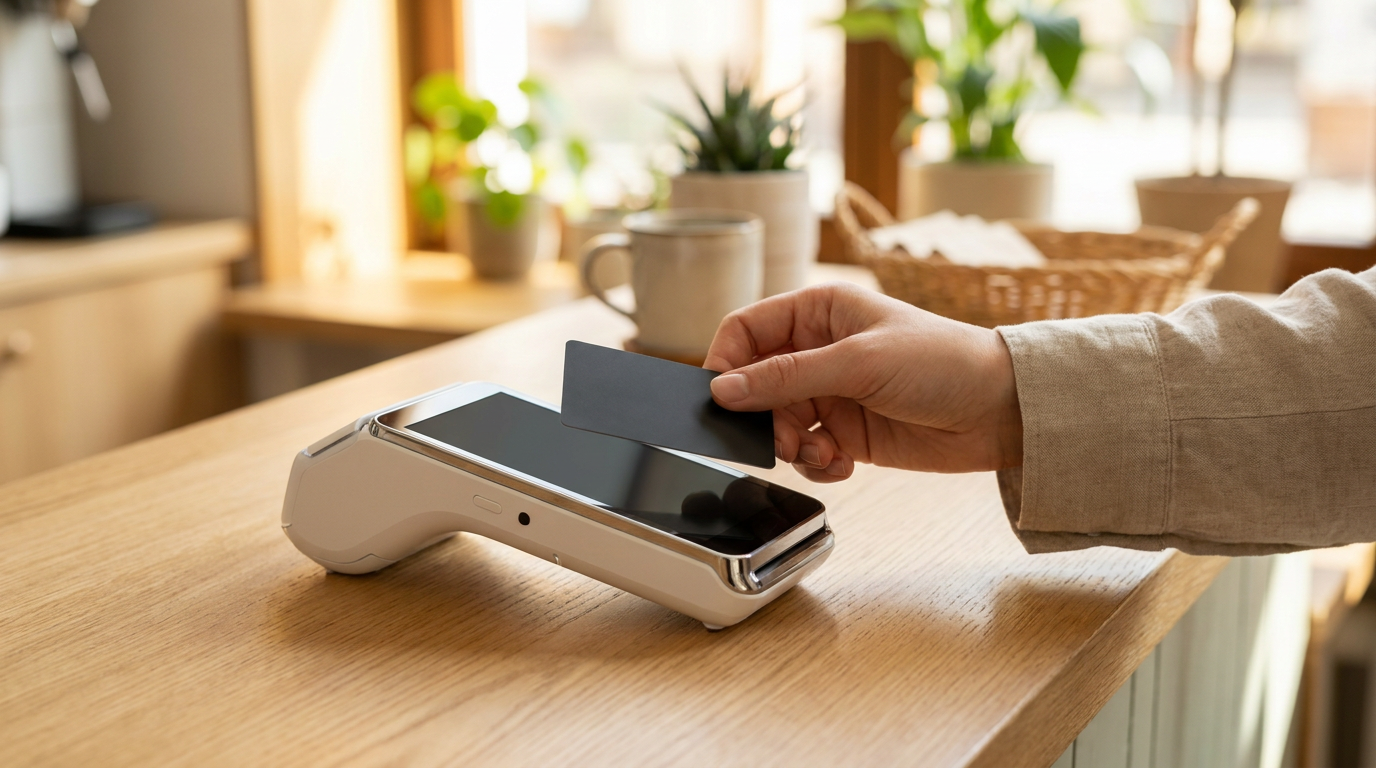
If you usually use your device to pay here in Australia, you may be wondering whether you can use your device to pay while overseas. Again, that will depend on where you go. For a merchant to accept payment methods such as Apple Pay and Google Pay via a device, it needs to first accept contactless payments.
Here’s what Visa Australia has to say on the matter.
“You can use Visa on your mobile everywhere Visa contactless payments are accepted, including overseas. Just look for the contactless symbol wherever you are in the world.”

Source: https://www.visa.com.au/pay-with-visa/featured-technologies/visa-mobile-payments.html
With that in mind though, it may also depend on the type of card you have – and its issuing bank – as to whether you can use that card to pay with your device as you travel overseas.
As an example, Westpac says:
“Apple Pay with Westpac Mastercard credit and debit cards will work on the Mastercard network in all countries where contactless payments are accepted.”
However…
“Overseas transactions are not currently supported for Mastercard debit cards on the eftpos network. You will need to change your payment network to Mastercard to use your debit card with Apple Pay overseas.”
Westpac also notes that overseas transactions are not currently supported for its Handycards on the eftpos network via contactless payments with Apple Pay.
Meanwhile, CommBank says you can:
“Tap and pay with Apple Pay using your iPhone or Apple Watch anywhere you see the contactless symbol – here and overseas.”
The conclusion? Check with your card provider before you travel to make sure your card is compatible for payments using your device when overseas. Either way though, it’s a good idea to bring your plastic card as a back up when you travel. You’ll find some merchants – such as hotels – insist on seeing the physical card, regardless of whether they accept payment via device.
| TIP: If you plan on using your device to pay while travelling overseas, be sure to take into consideration international roaming costs that may be applied by your telco. |
Can you Pay with BNPL Overseas?
If you usually pay via buy now pay later services such as Afterpay, you may be wondering whether you’ll be able to use those services when you travel overseas.
Again, this will depend on where you go and which service you use. Afterpay for example, allows Aussie Afterpay users to shop at selected international brands based in the UK, USA, Canada and New Zealand.
However, you won’t be able to use the service everywhere you go – so it’s perhaps best not to rely on this payment method as your primary source of funds.
Credit Card Security Overseas
Security is one of the biggest concerns people have when using a credit card overseas. According to the Better Health Victoria website, travellers are often targeted by criminals overseas.
“Unwary tourists can make easy targets for thieves because they stand out in a crowd, are unused to their surroundings, and are generally carrying money, credit cards and valuables like cameras.” the service says.
Meanwhile, the SmartTraveller website notes that there is also a chance of ATM and credit card fraud, including skimming, while you are overseas – particularly if the payment process is slightly different to what you are used to.
“You should always keep your credit card in sight to ensure your details are not copied. Avoid using ATMs that open onto the street and instead use ATMs in controlled areas such as banks, shops and shopping centres.”
The good news is that credit cards often come with more protection than other payment methods, and typically offer 24/7 fraud monitoring, zero liability for most fraud, and chargeback services if you are charged for goods or services that you don’t receive.
To get the most out of your card’s security features, make sure you contact your credit card issuer before you go overseas and let them know where you’ll be and how long you’re away. That way they can monitor the transactions with more accuracy, and contact you directly if they detect anything suspicious.
What should you do if your credit card is lost or stolen while travelling?
SmartTraveller offers the following advice:
“If someone has stolen your debit or credit card, contact your bank to cancel it immediately. Criminals can use your cards to quickly empty your accounts, and run up a debt to the maximum limit. Most Australian financial institutions have 24 hour emergency numbers you can call from overseas.”
And your phone?
“If someone has stolen your phone, use the remote wipe feature promptly. Otherwise, if someone finds your phone and gets past your lock screen, they could access your personal information. This includes saved passwords and banking log in details.”
| TIP: When you contact your card provider to advise them of a lost or stolen card, they may offer you access to an emergency cash fund, while organising emergency replacement for your card. This may be sent to your hotel, or a local post office. Just be aware of the fees charged for this service, as it’s not always free. |
Earning Points on Overseas Purchases
If you haven’t already got a frequent flyer credit card, you may want to consider applying for one that allows you to earn points both on your travel costs, and your everyday spending while you are overseas. With the right card, you could rack up a heap of points – helping you to cover the cost of your next adventure.
While there are plenty to choose from, here are some rewards cards currently offering higher earn rates on international spending than domestic spending.
Alternatively, with the HSBC Premier Card, you could earn 1.5 HSBC Rewards Points per $1 on eligible international purchases, and 1 HSBC Rewards Point per $1 on eligible domestic purchases. Points are capped at 10,000 per statement period.
There is no annual fee for this card, but must you must hold Premier status in Australia to apply.
The HSBC Platinum Credit Card offers wider opportunity to apply, while also offering an earn rate of 1.5 Rewards Plus points per $1 on eligible international purchases, and 1 Rewards Plus point per $1 for all other eligible purchases. The card has an annual fee of $0 in the first year, then $199.

Complimentary Credit Card Insurance
A lot of credit cards offer travel insurance as an added perk for cardholders, which can save you hundreds of dollars and provide peace of mind while you’re away. But, before assuming your card covers you, it’s important to check what terms and conditions come with this particular extra. For example, most of the cards that have complimentary travel insurance specify that you have to pay for some or all of the pre-travel costs using your credit card, particularly when it comes to airfares. A travel insurance company also typically underwrites the insurance provided, so the terms and conditions for making a claim, as well as the coverage itself, does vary. Card issuers recommend taking the time to review the terms and conditions of the insurance policy whenever you plan to use it, and says to “make sure you pay special attention to the benefits, eligibility and exclusions”. “It is particularly important to do this before travelling or purchasing goods as your cover may not be sufficient for your personal circumstances.” This process could also help you budget for any excesses you may have to pay if you need to make a claim. You can also ask your credit card issuer or the insurance provider for more specific information if anything is unclear, so that you get the most out of this credit card feature. And COVID? You will usually find that most credit card insurance policies don’t cover claims related to COVID, but it’s worth checking with your provider to make sure. You can find out more about this in our post on the topic.
Other Travel Perks
With the right credit card, you can enjoy access to a whole host of travel related perks. Here are some to look out for.- Concierge Service: Platinum and black cards typically offer access to a concierge service, available 24/7 by calling a dedicated number. These services are often touted as a personal assistant, and can be used for anything from travel bookings to restaurant reservations, wherever you happen to be in the world.
- Hotel Perks: Higher end cards may provide access to hotel loyalty program upgrades, such as Hilton Honors Gold Status and Marriott Bonvoy Gold Elite Status. With these perks, you could enjoy upgraded rooms, credit to spend at the hotel, complimentary breakfast and late checkout, and much more.
- Airport Perks: Perhaps one of the best known travel related credit card extras is airport lounge access. With lounge passes, you can relax and unwind in comfort before your flight or during a layover. Other airport perks could include fast track services and limo transfers.
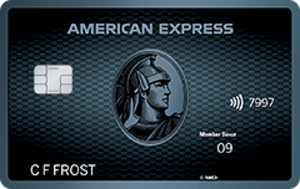
- Travel Credit: Travel credit is often offered on higher end cards, providing a certain amount of credit each year to balance out the typically higher annual fee. As an example, certain American Express cards offer travel credit, which can be used to book flights, accommodation and other travel arrangements via American Express Travel.
- Discounted Fares: Some cards offer discounts on fares with certain airlines. The American Express Platinum Card, for example, offers savings of up to 20% on First and Business Class fares with airlines that include Qantas Airways, Virgin Australia, Emirates and more through its International Airline Program.
International Transaction Charges
Having talked up all of the good stuff, let’s get into some of the less exciting need-to-know details of using a credit card overseas. First up, fees. There are two different charges that may be applied when you use your card overseas. Whether you are charged these fees will depend on the card you use – and where you use it.- International Transaction Fee: Also known as a currency conversion fee, this fee is charged by your credit card issuer to cover the costs associated with processing transactions made in a foreign currency. It is usually around 2% to 3% of the total transaction cost.
- Vendor and Merchant Fees: Some merchants and ATMs in the country you are visiting may also apply fees to international transactions. In some cases, these charges could be as much as $5 in local currency, so it’s important to be aware of them and check before you use your card.
Budgeting for Credit Card Repayments
The convenience of paying by card, as well as the wide range of features that come with credit cards these days make them a great option for travellers heading overseas. But there are a few factors that have the potential to impact your budget when you are away, particularly when it comes to interest charges and repayments. While the regular rate of interest is applied to most overseas purchases, some transactions could count as “cash advances”, and as such, attract a higher interest rate (as well as other fees). Being aware of when you could be using the cash advance facility – such as when withdrawing money from an ATM, placing bets, or buying foreign currency from a vendor – will help you factor in these costs, so that you have a better idea of what you’ll need to repay when your bill comes in. As for making repayments, you can check when they are due and factor that into your travel plans to make sure you don’t miss a payment. Setting up online banking and automatic payments with direct debit can streamline this process. Depending on how long you’re away and how much you plan to use your card, you could also apply for a credit limit increase before you go so that there is less chance of over limit fees. As NAB highlighted, currency conversion is one of the biggest challenges with budgeting for overseas travel costs. In fact, previous research from Australia Post found that exchange rates were the most common hidden expense travellers faced, and meant that a huge number of Australians returned from trips with a bigger balance than expected. This cost can be managed by regularly checking your credit card balance when you are away to keep track of the total charged to your account. Another option could be a multi-currency prepaid card that lets you load international currency before you go, so that you can spend without worrying about conversion costs.Conclusion
Credit cards and debit cards provide a convenient, fast and safe way to pay for things almost anywhere in the world. But, just as with any payment option, there are factors that can work for or against paying with plastic. Before you travel, be sure to read up on any fees you may pay, any perks you want to use, and any small print that may apply to the way you want to use your card while overseas. Be sure to let your card provider know you will be away – and always carry a back-up payment method in case something happens to your card.
Pauline Hatch
Pauline is a personal finance expert at CreditCard.com.au, with 9 years in money, budgeting and property reporting under her belt. Pauline is passionate about seeing Aussies win by making their money – and their credit cards – work smarter, harder and bigger.
You might be interested in


Recently Asked Questions
Something you need to know about this card? Ask our credit card expert a question.
Ask a questionHi, I’m a personal finance expert who loves to help you out! I’ll answer your question within a business day. Pinky swear.
(showing the latest 10 Q&As)
Featured Balance Transfer Credit Cards
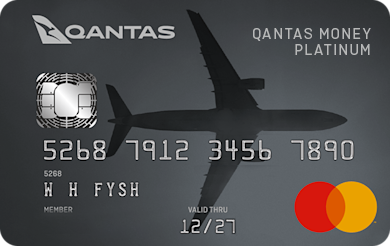
Qantas Money Platinum Card
Up to 80,000 bonus Qantas Points + 24 months 0% BT
Featured Rewards Credit Cards
Qantas Money Platinum Card
Up to 80,000 bonus Qantas Points + 24 months 0% BT
Apply by 6 Oct 26