








The Monthly Scoop: July's Low Interest Rate Card Update
The RBA held the cash rate at 4.35% at its June 2026 meeting, following three rate increases earlier this year that reversed the cuts made in 2025. For credit card holders, that tightening cycle has a direct impact: the average credit card purchase rate in Australia now sits at 17.15% p.a., according to current market data. If you are carrying a balance on a standard card, that is nearly a fifth of your balance gone in interest every year.
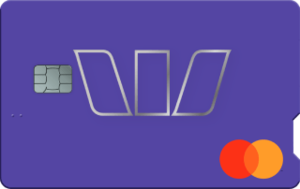
What makes July a good time to reassess is the unusual competitiveness in the low-rate card market right now. ANZ, Westpac and NAB are all running cashback offers on their low-rate products — something that rarely happens in this category, which has traditionally competed on rate alone. For someone who needs a genuinely low ongoing purchase rate and is open to earning some cashback for switching, the options are better than they have been in years.
The three cards below are my picks for July. Each has a purchase rate of 13.74% p.a. or lower — meaningfully below the 17.15% market average — and each comes with a worthwhile introductory offer if you switch before the promotional period closes.
Editor's Pick-of-the-Bunch: Best Low Interest Rate Credit Cards for July
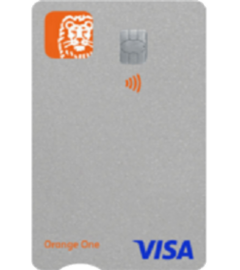
The ING Orange One Low Rate Credit Card has the lowest ongoing purchase rate on this page at 12.99% p.a. and charges just $48 per year. If you hold an ING Orange Everyday account and meet the monthly deposit and spend requirements, you also get $0 international transaction fees — a rare combination of low rate and low travel cost.
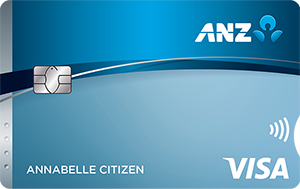
The ANZ Low Rate Credit Card – Cashback Offer pairs a competitive 13.74% p.a. purchase rate with a $400 cashback when you spend $5,000 in the first 6 months — and it does it all for $58 per year. For most cardholders making the switch from a standard-rate card, the cashback more than covers several years of annual fees.
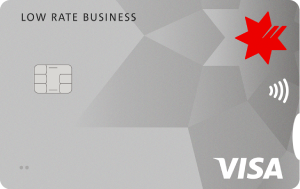
The NAB Low Rate Credit Card – Cashback Offer is the pick for anyone who is switching and bringing debt with them: $400 cashback on $5,000 spend in 150 days plus 0% p.a. on balance transfers for 12 months (3% fee applies, then reverts to 21.74% p.a.). At 13.49% p.a. ongoing, it is the second-lowest rate in the table and the most versatile card for a balance-carrying switcher.
⭐ Watch the cash advance rate: Even on cards with a 12.99% or 13.74% purchase rate, the cash advance rate is typically 20–22% p.a. and starts accruing from the transaction date with no interest-free days. If you need cash from an ATM, use your debit card — the low rate on your credit card does not apply to cash withdrawals.
T&Cs apply for all card offers so check our review, the PDS and TMD for details.
What is a low interest rate credit card?
A low rate credit card is set apart by offering a lower interest rate than standard credit cards. If you’re being charged interest each month because you don’t pay your card off in full, a low interest rate credit card could be the ticket to saving you some money.
In a new world where some credit cards charge up to 30% interest, low rate cards can be a lifesaver.
How much could you save on a low interest credit card?
Here are some examples of how much interest you’d accrue in one month at different interest rates, assuming you didn’t make any extra purchases.
| Balance | Low interest rate: 8.99% | Mid interest rate: 14.99% | High interest rate: 19.99% |
|---|---|---|---|
| $400 | $2.95 | $7.88 | $14.45 |
| $800 | $5.91 | $15.77 | $28.91 |
| $1,200 | $8.86 | $23.65 | $43.37 |
| $1,500 | $11.08 | $29.56 | $54.21 |
With a higher interest rate, you’ll find yourself paying a 389% markup in interest on a $1,500 balance.
What about paying off a credit card balance at low, mid and high rates of interest?
Let’s look at an example of a $2,000 balance with the minimum repayments made each month, at various rates of interest.
| Balance | Interest rate | Total paid | Payment duration |
|---|---|---|---|
| $2,000 | 8.99% | $2,849 | 9 years, 10 months |
| $2,000 | 14.99% | $4,188 | 14 years |
| $2,000 | 19.99% | $7,695 | 24 years, 9 months |
Not sure how interest works? Here's a quick recap.
When you have money owing on your credit card (a balance) and you don’t pay it off in full each statement period, you’ll be charged interest. You can find out all about how to calculate interest here, but to make it simple, here’s an example:
Your card has an interest rate of 19.99%. Divide the interest rate by 365 to get the daily rate. In this case, 0.0547%. Whatever your balance is, you’ll be charged 0.0547% daily (this is assuming you don’t buy any new purchases on the card for the month).
Interest rate: 19.99%
Daily rate: 0.0547%
Balance: $2,000
Interest charged for 30 days: $32.82
Interest is added to your balance, so the following month you’ll be paying interest on your balance plus on the interest you accrued the month before. The interest snowball can become difficult to stop.
On top of that, if you have money owing on your card each month, you could lose any interest free days that the card offers. Interest free days are usually 44 to 55 days, giving you time to pay off the card in full and pay no interest at all. If you have a balance on the card, the interest free days are often waived, and you’ll be charged interest immediately.
Low interest rate credit cards might be worth looking at as a way to slow the interest charging cycle.
How do you choose the best low rate credit card for you?
As with any type of credit card, you need to compare all the low rate credit cards if you want to choose the best one for you. We make this process as simple as possible by bringing a huge range of low interest cards together in one place so you can compare them with one click.
Here are some things to look for when you’re comparing low interest rate cards:
Step 1. Compare purchase rates. If you have money owing on your card each month, the interest rate should be an important factor in your comparison.
Step 2. Compare annual fees. Work out how much you’ll pay in annual fees, but it’s a good idea to keep the interest rate a priority.
Step 3. Compare features. You will usually find low rate cards – especially those that also have a low annual fee – are low on features. However, saving money on interest should stay top-of-mind, so extras can be thought of as an added bonus.
Step 4. Ask if it’s right for you. Make sure you’re eligible for the card, and consider how well it’ll suit the way you live. Remember, you may need to put extras like rewards on the back-burner for now if you really want to focus on saving money.
Why do some credit cards charge more interest than others?
Credit cards are a business, and interest is one way providers make money. Cards with better features will have higher interest rates and annual fees, so providers can recoup costs.
Fortunately, there are some low interest cards with a few extras to help you save money.
In short, low interest rate credit cards are worth thinking about if you want to have a functional little card with a few benefits and pay only a low interest rate for the privilege.
There may be better options for you if…
✓ you’re great at paying off your balance each month. You might get more value out of a
rewards card
where you earn points that can be redeemed for travel, retail items and services.
✓ you’re struggling with credit card debt. You could
think about a balance transfer
where you move your debt to a new card with an interest-free period, so you can pay it down faster.
How do you make the most of a low rate credit card?
Even if the rate is lower than average, you'll still be charged interest each month on any unpaid balance on your credit card.
So, to make the most out of a low rate credit card, pay off as much of your balance as you can each month. If you can budget your repayments and stay on top of your balance, you might then feel you want to try a card that has more features that you want, and not be too concerned about the interest rate because you’ll be paying off your card consistently.
Can you get cards with no interest at all?
Yes! Some cards offer 0% interest on purchases for a certain timeframe. The interest free period is usually somewhere between six months and 2+ years.
However, these 0% interest offers are promotional only. Once the period ends, you'll go back to paying the card’s standard interest rate.
| Card | Purchase Rate (post-promo) |
|---|---|
| Citi Rewards | 22.49% p.a. |
| Latitude Low Rate | 13.99% p.a. |
| Bankwest Zero Classic Mastercard | 18.99% p.a. |
| Coles Low Rate Mastercard | 13.49% p.a. |
So, they can be a great option if you want time to pay off a big purchase like a couch or a holiday, but not necessarily for long-term spending. You can compare 0% purchase offer credit cards here.
By comparison, low interest cards offer lower rates as an ongoing feature of the card, so you’ll never be surprised by a sudden interest bill on your balance.
Is a low interest rate credit card the best kind of card?
Rewards
If you spend big and you like getting free stuff, a rewards credit card might be a good fit.
Carry a balance
If you carry a balance, you might find a low interest card like those listed here, or a 0% purchase rate card works out well.
Travel
Or, if you travel a lot, you might want a card with no foreign conversion fees or that rewards you for travelling and overseas spending.
The best kind of card is the one you choose because it’s most compatible with the way you live and spend. Use our easy comparison tool to compare credit cards by their different features and offers to find the best one for you.
What about a balance transfer? Will it revert to a low interest rate?
When you transfer a balance from one credit card to another with a 0% balance transfer offer, you won’t be charged interest on the amount until the promotional period is over.
What you’ll be charged in interest depends on the card. Most times, a balance transfer jumps back to the revert rate, which is often the cash advance rate (and can be very high). Check out these rates:
| Credit Card | Balance Transfer Fee | Revert Rate after 0% Period |
|---|---|---|
| ANZ Low Rate Credit Card | 3% | 21.99% p.a. |
| Bankwest Breeze Classic Mastercard | 3% | 12.99% p.a. |
| Virgin Australia Velocity Flyer Card | 1% | 20.99% p.a. |
| Citi Rewards (BT + Purchases offer) | 2% | 22.99% p.a. |
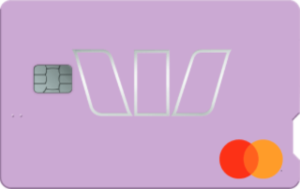
| Westpac Low Rate Credit Card | 2-3% | 21.99% p.a. |
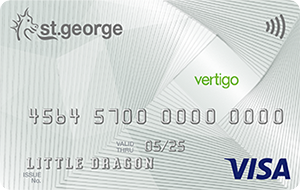
| St.George Vertigo / BankSA / Bank of Melbourne Vertigo Cards | 1-2% | 21.99% p.a. |
- How long the balance transfer introductory period goes for. The interest free period can be up to 36 months.
- The standard, ongoing interest rate on new purchases. This is the everyday interest rate offered by the card.
- The revert rate after the 0% balance transfer period is over. On our comparison guide, you’ll see a note under the Balance Transfer tab that shows the revert rate.
To give you an example directly from a credit card, the ANZ Low Rate Credit Card comes with a 0% Balance Transfer offer. Its ongoing rate is 13.74%, putting it in the mid-bracket for interest charges. The revert rate for the balance transfer (after the 26 month interest free period) is 21.99% p.a. The card has an annual fee of $58, with the first year free.
The ANZ Low Rate Credit Card is a good example of a card that offers low annual fee, a reasonable interest rate, and a lengthy 0% balance transfer period.
You’ll have to remember that if you carry a balance transfer, you won’t get the interest free days on your card, which means you’ll be charged interest on new purchases right away.
You can compare the best balance transfer offers on our comparison page.
All rates, fees and offers correct at the time of publication as of 29th September 2025
What are interest free days?
Most credit cards offer a certain number of ‘interest free days’ when you clear your balance the previous month.
So, say your card offers up to 55 days interest free on purchases. The number of days you get interest free depends on when the purchase is within the credit card statement cycle.
If you make a purchase on day one of your statement cycle, you’ll have 55 days before that purchase is pinged with interest. This is because there are 30 days of your statement cycle left, and 25 days until your bill payment is due.
If you make a purchase on day 20 of your statement cycle, you’ll have 35 days before interest starts accruing on that purchase. Ten days of your statement cycle, and 25 days until your bill payment is due.
What is considered a 'low' interest rate for a credit card in Australia?
While the definition can vary, in Australia, a credit card interest rate below 10-12% p.a. is generally considered low, especially compared to standard rates which can be upwards of 18-20% p.a. Some cards may offer rates even lower, particularly for specific introductory periods or balance transfers.
Who is a low interest rate credit card best suited for?
Low interest rate credit cards are ideal for individuals who tend to carry a balance on their card from month to month, rather than paying it off in full. They are also suitable for those looking to consolidate debt with a balance transfer, or anyone who wants to minimise the cost of borrowing if unexpected expenses arise.
Do low interest rate credit cards typically come with annual fees?
Many low interest rate credit cards in Australia do come with an annual fee, as the lower interest rate can sometimes be offset by other charges. However, there are also options available with no annual fee, particularly during introductory periods or for cards with fewer additional perks. It's important to compare both the interest rate and the annual fee when choosing a card.
Can I still earn rewards or points with a low interest rate credit card?
While some low interest rate credit cards may offer basic reward programs, it's generally less common to find extensive points or rewards schemes compared to cards with higher interest rates. The primary benefit of a low interest card is cost savings on interest payments, often at the expense of premium rewards. Users should weigh their priorities: low interest vs. rewards.
What is the typical application process for a low interest rate credit card?
The application process for a low interest rate credit card is similar to other credit cards. You'll typically need to provide personal details, proof of income, employment information, and details of your financial situation. Lenders will assess your creditworthiness to determine eligibility. Applications can often be completed online, with a decision usually provided within minutes to a few business days.
What 79 reader questions reveal about low interest rate credit cards
This page has 157 approved comments dating back to 2015. Our editors coded approximately 79 reader questions by primary topic — every genuine question in the thread, excluding spam and editor replies. The dominant finding: most people searching for a "low interest" card are not rate-shopping from a position of financial confidence. They are looking for the lowest possible cost of borrowing because they expect to carry a balance, often for a specific reason.
The interest cost calculations most comparison pages skip
Comparison tables show rates. They rarely show what those rates cost in real money. We ran three calculations using actual rates from cards currently in our comparison table (purchase rate 12.99% p.a. for low-rate cards vs 20.99% p.a. for standard cards — representative of the most common rates in each category as of mid-2025).
The break-even balance: when a low rate card pays for itself
Scenario 1: $3,000 emergency purchase (e.g. car repair), paid off over 12 months
Scenario 2: $30,000 medical cost (e.g. IVF cycle), after a 0% introductory period
All figures calculated using simple interest approximation (average balance × annual rate) as a comparison tool. Actual interest charges are calculated daily on closing balance and may differ. Rates sourced from current product disclosure statements; confirm the applicable rate before applying.
When our editors told readers a low rate card wasn't the right choice
Not every reader asking about low interest cards actually needs one. These exchanges from the Q&A thread illustrate the cases where the editors' answer was more nuanced — or different — to what the reader expected.
The insight most borrowers miss: low-rate credit card rates don't follow the RBA
Between 2015 and 2026, the RBA cash rate went from 2.00% down to a historic low of 0.10% during COVID, then back up to 4.35% — a swing of more than 4 percentage points in each direction. Over the same period, the Westpac Low Rate card's purchase rate moved from approximately 13.49% to 13.74%. A change of 0.25 percentage points across an 11-year period in which monetary policy moved dramatically.
This is not an accident. Credit card interest rates are not priced off the cash rate the way home loans are. They are priced to cover default risk (typically 2–5% of balances written off each year), funding costs, and the competitive floor the market has settled on. When the RBA cuts, your home loan rate falls within weeks. Your low-rate credit card rate stays where it is.
What this means practically: a low-rate credit card is a stable, predictable debt product. If rates rise further, your 13.74% purchase rate is unlikely to budge. If rates fall, don't expect a windfall either. You are buying rate certainty in a category where rate volatility is structurally absent — which makes the rate comparison between cards in this category (12.99% vs 13.74%) meaningfully more important than the comparison between credit card rates and home loan rates.
What "low interest rate" doesn't mean: the rate traps most cardholders miss
The purchase rate on your credit card is one of four rates that may apply to your account. "Low interest rate card" describes only the first one. The table below uses the actual rates from cards currently in our comparison table, not ranges — because ranges obscure the specific trap.
| Rate type | Named card example | Actual rate | What to know |
|---|---|---|---|
| Purchase rate | ING Orange One Low Rate | 12.99% p.a. | The advertised rate. Only applies to purchases when you don't pay in full each month. This is the rate comparison tables show. |
| Purchase rate | ANZ / Westpac Low Rate | 13.74% p.a. | Most low-rate cards cluster here. Below the 17.15% market average but far from free. |
| Cash advance rate | Westpac Low Rate | 21.99% p.a. | Applies to ATM withdrawals, gambling, some BPAY. Accrues from transaction date — no interest-free days. Higher than the market average purchase rate. |
| Cash advance rate | NAB Low Rate | 21.74% p.a. | Same issue. Even on the card marketed as "low rate", cash transactions cost more than a standard card's purchase rate. |
| Balance transfer revert rate | Westpac Low Rate (after 20-month BT) | 21.99% p.a. | After the 0% promotional BT period, remaining balance reverts to the cash advance rate — not the purchase rate. Many cardholders assume it reverts to 13.74%. It doesn't. |
| Balance transfer revert rate | NAB Low Rate (after 12-month BT) | 21.74% p.a. | Same trap. The balance transfer introductory rate is genuinely useful; the revert rate is not low at all. |
The cash advance / BT revert rate issue is the most consequential. Our reader Priyanka (February 2019) asked specifically about using a credit card at an ATM. Our editor's response: "Most low rate cards still have a high cash rate." That was true in 2019 and remains true in 2026 — the Westpac cash advance rate has not moved. If ATM access is the use case, a debit card is cheaper regardless of which credit card you hold.
Sources used in this article
- CCAU reader Q&A archive, approximately 79 reader questions, 2015–2024 (visible in Q&A thread below)
- Product disclosure statements, current as of July 2026: Westpac Low Rate (purchase rate 13.74%, cash advance 21.99%), NAB Low Rate (purchase rate 13.49%, cash advance 21.74%), ANZ Low Rate (13.74% p.a.), ING Orange One Low Rate (12.99% p.a.)
- ASIC Credit Card Lending in Australia: average cardholder balance ($2,500)
- RBA Statistics Table C1: market average purchase rate (17.15% p.a., mid-2025)
- RBA Cash Rate Target history: 2.00% (March 2015), 0.10% (November 2020), 4.35% (July 2026)








Oliver Wright
29 September 2024Pauline
3 October 2024John
1 June 2024Pauline
7 June 2024Brendan Laws
14 February 2024Pauline
16 February 2024Kat
28 August 2023Pauline
30 August 2023Phillip Gemmell
7 August 2023Pauline
8 August 2023Rick Oddie
15 April 2023Pauline
17 April 2023Leonie knight
12 April 2023Pauline
14 April 2023Wendy
18 February 2023Pauline
20 February 2023Jack ogilvie
10 January 2023Pauline
11 January 2023Grahame rogers
10 August 2022Pauline
16 August 2022Helen
7 June 2022Pauline
7 June 2022Kerry-Anne Simpson
3 June 2022Pauline
8 June 2022Helen
21 January 2022Pauline
25 January 2022Noemi
10 December 2021Pauline
14 December 2021Nic
25 May 2021Roland
26 May 2021Kerry
29 April 2021Roland
12 May 2021John Heggart
30 March 2021Roland
30 March 2021Kamini Chandra
12 October 2020Roland
12 October 2020