









The Monthly Scoop: September's Cashback Update
The Reserve Bank kept the cash rate on hold at 4.35% at its August meeting, with governor Michele Bullock saying the board is "staying put" for now but keeping the door open to further hikes if inflation doesn't keep cooling. For anyone carrying a balance, that's a reminder that borrowing costs aren't dropping in a hurry, so it pays to get more value out of everyday spending instead.
A recent YouGov survey for MONEYME found that 85% of Australian cardholders would consider ditching a points based rewards card for cashback, with 69% saying points programs don't suit their lifestyle and 58% finding the redemption process too fiddly. The appeal of cashback is simple, it's a dollar figure you can see land in your account rather than points you have to work out how to spend.
That shift in mood makes this a good month to compare cashback cards properly. The offers below range from big upfront credits to a smaller ongoing rate, so which one suits you depends on whether you want a lump sum now or a steady trickle back over the year.
Editor's Pick-of-the-Bunch: Best Cashback Credit Cards for September
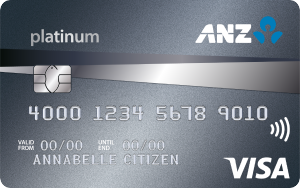
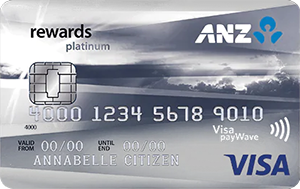
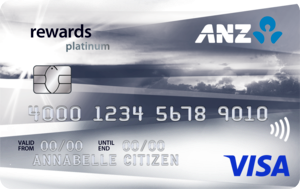
The ANZ Platinum Credit Card pays $450 credit back once you spend $4,500 in the first 4 months, and charges $0 annual fee in the first year (then $87 p.a.), making it one of the fastest cashback offers to unlock on this list.
The NAB Low Rate Credit Card – Cashback Offer combines $400 cashback for $5,000 of spend in 150 days with 0% p.a. on balance transfers for 12 months (3% fee applies), all on a low 13.49% p.a. purchase rate for anyone who might carry a balance.
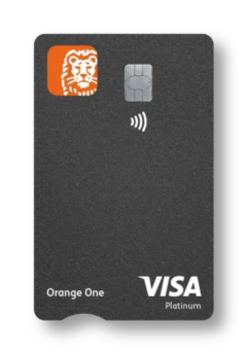
The ING Orange One Rewards Platinum Credit Card earns 1% cashback up to $30 every month on everyday spend with no minimum spend hurdle to clear, plus up to 45 days interest free and complimentary overseas travel insurance.
⭐ Don't spend more just to hit the target: Check whether your normal bills and groceries would naturally get you to a card's minimum spend before you apply. Stretching your spending just to unlock a cashback offer can easily cost you more in interest than you'll ever get back.
T&Cs apply for all card offers so check our review, the PDS and TMD for details.
Cashback Calculator
Estimated Returns
Cashback Credit Cards: The Need-to-know Basics
A cashback credit card offers cash as a reward for your spending. Unlike a rewards card, where you collect and redeem points within a rewards program, a cashback card gives you money back for meeting certain criteria on your spending.
Cashback offers are rarely a bunch of $50 bills sent in the mail. Instead, it can look like:
-
- A set amount: the card’s offer might be a flat amount, like $250. Most times, you’ll need to meet a minimum spend to unlock the cashback offer; for example, spending a certain amount on your card within a timeframe, like $3000 in 90 days.
- A gift card: you might receive a credit to spend at a certain retailer, like Kogan.com, Myer or Coles.
- Cashback on affiliate businesses: more cards are starting to offer perks with partner businesses, offering cashback when you use companies like Spotify.
- A percentage of your spend: some cards pay cashback as a percentage of your spending within a certain period, up to a capped amount. So, you might earn back 10% of your spending amount in 90 days, capped at $200. Some lenders also give ongoing cashback for spending at certain retailers, although usually at a lower rate (like 1.5%).
- A travel credit. While not technically cashback, travel credits are like a complimentary annual gift card for flights with Qantas or Virgin Australia.
Always check the eligibility criteria of cashback offers to make sure you’re going to meet the requirements, or else you might miss out on the rewards.
There are 2 types of cashback offer:
- A limited-time sign-up offer that you earn by meeting a minimum eligible spend
- An ongoing cashback program tied to the card issuer.
Ongoing cashback programs are those like NAB Goodies, Westpac’s partnership with ShopBack, and CommBank’s Yello program.
You can access these programs no matter what type of credit card you have within that issuer.
The pros, cons and other options
Cashback offers are apples and oranges – every one is different, and the range of features, fees and other rewards you’ll get will vary from bare bones to a treasure trove.
Cards Worth a Second Look Before You Apply
Most cashback guides tell you which cards to get. Few tell you which ones to be cautious about and why. These aren't bad cards outright — but each has a condition that changes the value proposition for a specific type of spender.
ANZ Platinum — watch the spend threshold
The $4,500 spend requirement over 4 months works out to $1,125 a month. That's achievable for households putting groceries, utilities and fuel on the card, but if you're a lower spender and start making purchases you wouldn't normally make to hit the threshold, you're undermining the point of the cashback. Miss the threshold and you've paid an annual fee for a card that earned you nothing in year one. Worth noting: the annual fee is waived in year one and waived again in any subsequent year you spend $20,000 on the card — so high spenders can effectively hold this card for free.
Westpac Low Rate — check what happens in month 7
The $75/month cashback for 6 months is $450 total, which is genuinely competitive. The question is what the card does for you from month 7 onward. There is no ongoing cashback program — from month 7 you're carrying a $59 annual fee card that functions like any other low-rate card at 13.74% p.a. Existing Westpac customers who qualify for the fee waiver in year one are in a different position. New customers should weigh the sign-up cashback against the ongoing annual fee before committing.
NAB Low Rate — the 3% balance transfer fee is easy to miss
NAB markets this card partly on its balance transfer offer, and plenty of people apply for both the cashback and the BT. But the 3% BT fee means transferring a $10,000 balance costs you $300 upfront — nearly wiping out the $400 sign-up cashback before you've spent a dollar on purchases. If you're using this card purely for cashback with no intention of transferring a balance, the fee is irrelevant. If you're doing both, do the maths before applying. Note also that the annual fee reverts to $99 from year two — one of the higher ongoing fees in the low-rate category.
Pros and Cons of Cashback Rewards Cards
Here's a breakdown of the advantages and disadvantages of cashback rewards cards:
Pros of cashback rewards cards
Flexibility. You can use cashback rewards to buy virtually anything, because it’s not locked into a rewards program.
Ease. Instead of converting points into flights or merchandise, you get real dollars to spend.
Features. Plenty of cashback cards are loaded with other perks like points, free travel insurance and airport lounge access.
Cons of cashback rewards cards
Limited time. Some cards only offer cashback as a promotional deal for new applicants.
Eligibility. You may need to meet a minimum spend to receive the cashback.
Annual fees. Cards with stronger cashback offers often come with higher annual fees.
You can also convert rewards points into cash, like gift cards. You can see the best rewards cards here.
Saving on an annual fee might be just as good as cashback. See the top no annual fee cards here.
How to compare cashback offers on credit cards
There are always a few details to compare to make sure you’re getting the best card for you and your spending.
You can use our comparison engine to shuffle and sort the cards according to features such as the annual fee, the purchase rate (the interest charged on your purchases) and the balance transfer rate.
Here’s what to compare:
- The annual fee. Annual fees can vary from basic cards with no yearly charge, through to premium cards that can cost hundreds of dollars each year. Annual fee offers can pop up too, like a discount on the first year, or an ongoing discount if you meet a minimum spend on your card each year. You can also look for credit cards with low or no annual fee if that’s important to you.
-
- The cashback amount. You’ll need to weigh up the cashback reward against the ongoing fees on the card. For instance, maybe the cashback offer helps offset a high annual fee the first year, but what about long-term? Check the conditions carefully, especially if it’s a percentage deal with a capped amount. If the maximum you can earn is $30 each month, the card may not work out in your favour. Of course, that also depends on what else you’re using the card for, and other features it has that make it worthwhile for you.
- Interest rates. Also called the purchase rate, the interest rate matters if you think you’ll carry a balance month-to-month. Paying interest on your spending can pretty quickly negate any cashback offer. Some cards offer low interest rates as a promotion, which then flicks back to the revert rate (the purchase rate). The revert rate can be higher than 20% on some cards. The more basic cards offer some great low interest rates with cashback offers thrown in too.
- Other features. Some cards come with lots of other advantages that can save you money. For instance, you might get free lounge access, mobile phone insurance or discounts with other businesses. Click the card name and read through the features to get a big picture of what it offers.
- Eligible purchases. Usually, only eligible purchases count towards your minimum spend requirements to get your cashback reward. Most everyday transactions would be eligible, but things like BPAY, cash advances (where you withdraw money from your card), balances brought over from another card, and government payments don’t count. Check the PDS of the card to find out what they consider eligible.
- Rewards points. Amazingly, some cards offer cashback on top of earning rewards for your spending. So, you might be able to reap even more by converting your points earned into gift cards. Rewards credit cards attached to a rewards program usually have higher annual fees, so make sure the card works out in your favour when everything is taken into account.
Just like rewards cards, you need to earn a certain amount of cash back to make the annual fee worthwhile. For instance, you might get the most out of a cashback credit card if you:
- plan to pay off your card each month
- spend enough normally per month to unlock your cashback offer, or earn the maximum cashback per dollar spent
- find the card has other helpful features, or a reasonable annual fee
How is cashback tracked and credited?
Tracking cashback
Card issuers pay cashback based on the merchant category code (MCC) attached to a transaction, not on what you actually bought. The MCC is assigned by the payment network (Visa or Mastercard) based on how the merchant registered their business — not how you experience the purchase.
Purchases That Look Cashback-Eligible But Aren't
Here are five categories where transactions commonly fail cashback eligibility despite appearing to qualify.
1. Uber Eats and DoorDash
Delivery platforms frequently process under MCC 7372 (computer programming and data processing) or marketplace codes rather than MCC 5812 (eating places and restaurants). If your card's cashback covers "dining and restaurants," a DoorDash order from a restaurant that would otherwise qualify may return nothing. The workaround is to order directly from the restaurant's own website or in person where possible.
2. Coles Express
The standard Coles supermarket processes as MCC 5411 (grocery stores and supermarkets). Coles Express petrol stations frequently process as MCC 5541 (service stations and automotive) or MCC 5172 (petroleum products). If your card excludes fuel from cashback categories, a Coles Express transaction won't earn, even if you're buying groceries at the counter.
3. Afterpay and other buy now pay later services
When you pay with Afterpay at an eligible retailer, the transaction doesn't inherit the retailer's MCC. It processes under Afterpay's own merchant code, which sits outside the categories most cashback programs cover. Buying a pair of shoes through Afterpay at a shoe store earns no cashback; buying the same shoes directly on a card typically would. This applies to Zip, Klarna and similar platforms.
4. Ticketek and event booking agencies
Live event tickets purchased through Ticketek, Eventbrite or similar platforms often code as MCC 7922 (theatrical producers and ticket agencies). Cards that include "entertainment" as a cashback category frequently define this as cinemas and streaming services, and explicitly carve out ticketing agencies. Check your card's PDS for whether "entertainment" covers MCC 7922.
5. International merchants charging in AUD
Some offshore merchants — often software subscriptions, travel booking platforms and streaming services — let you pay in Australian dollars. The transaction still originates from an overseas merchant and may be treated as a foreign purchase, making it ineligible for domestic cashback rates and potentially attracting a foreign transaction fee on top.
Tip: If you're unsure how a regular purchase will code, make a small test transaction first and check the MCC in your banking app. CommBank, ANZ and NAB apps show transaction category codes in the transaction detail view on most recent cards.
Crediting cashback
Most banks will credit your cashback onto your credit card account after the transaction has been fully processed and often at the end of the statement period. That way, there’s time for the bank to sort out any refunds you made on eligible items before crediting the cashback amount.
Typically, any transactions that aren’t fully processed (if they’re still marked pending) will wait until the next statement period.
The time frame for your cashback credit varies between issuers. Commbank says cashback is credited within 90 days, whereas Westpac generally issues it within 7 days.
Returns and refunds
You won’t earn cashback on a returned or refunded item. So, if you purchased a pair of jeans from Kmart and returned them a week later, your cashback would be revoked. It either wouldn’t be issued in the first place, or if it was issued before the refund, the bank would extract it from your account.
Now here’s a big warning: any returns or refunds mean the transaction doesn’t count towards the minimum spend. So buying a couch and returning it so you meet the required spend amount for the cashback offer won’t work. Instead, choose a card that you can realistically meet the minimum spend on just through everyday purchases.
How to calculate if a cashback credit card is a good choice for you
Does the Cashback Actually Cover the Annual Fee?
The sign-up bonus gets the headline, but the number that matters more is whether the card's cashback structure actually pays for itself. Most comparison sites show you the bonus. Almost none show you what happens in year two.
There's an important distinction worth understanding: most cashback cards on this page offer a lump-sum sign-up cashback for hitting a spend target in the first few months. A small number offer a true ongoing cashback rate — a percentage back on every eligible purchase, indefinitely. These are structurally different products.
Here's how four commonly applied-for cards compare on the cashback-to-fee question:
| Card | Annual fee | Cashback type | Sign-up cashback | Ongoing cashback | Year 2+ value |
|---|---|---|---|---|---|
| ANZ Platinum | $87 (waived year 1; waived if $20k annual spend) | Sign-up only | $450 back on $4,500 in 4 months | None | $0 cashback — insurance and concierge only |
| Westpac Low Rate | $59 (waived year 1 for existing customers) | Sign-up only | $75/month for 6 months on $1k+ monthly spend ($450 total) | None | $0 cashback — low-rate card only from month 7 |
| NAB Low Rate | $99 ($0 year 1) | Sign-up only | $400 on $5,000 in 150 days | None | $0 cashback — low-rate card only from year 2 |
| ING Orange One Rewards Platinum | $149 | Ongoing | None | 1% on eligible spend, capped at $30/month ($360/year) | $360/year at $3,000+/month eligible spend |
What the table tells you: Three of these four cards stop earning cashback after the introductory period ends. The ANZ Platinum and NAB Low Rate offset their first-year fees well ($450 and $400 respectively), but from year two you're paying an annual fee for a low-rate card with no cashback. The ING Orange One is the outlier: no sign-up bonus, but the only card here that earns cashback every year for cardholders spending $3,000 or more a month on eligible purchases.
You can work out if a cashback credit card is going to work out in your favour by looking at your spending and running some quick numbers.
For example:
Let’s say a credit card offers 1% cashback on eligible purchases capped at $30 per month, and has an annual fee of $195.
The most you could earn on your spending is $360, assuming you spent at least $3000 per month on the card.
That would mean you earned $165 cashback in one year after the annual fee is deducted.
But, if you only spent $1500 per month, your total cashback would be $15 each month and $180 over the year.
With an annual fee of $195, your cashback doesn’t cover the annual fee.
Having said all that, other features of the card might come into play. For instance, the card might offer other discounts, a big rewards sign-up offer, or annual credit for flights or shopping with partner retailers.
So, in this instance, you’d have to decide if the extra features are worth the out-of-pocket expenses of the credit card.
What’s the difference between standard rewards and cashback rewards?
Cashback credits a dollar amount directly to your statement — no redemption step, no expiry, no program to manage. Rewards programs pay in points you redeem for flights, gift cards, or merchandise, and the value per point varies enormously: Qantas Points redeemed for a business class flight can be worth 4–5 cents each; redeemed for a Woolworths voucher they're closer to 0.5 cents. Cashback removes that variability. A card paying 1% cashback returns exactly $10 per $1,000 spent, every time, for any purchase.
For most Australian households without a specific high-value redemption target, cashback delivers more predictable value. For high spenders who will fly business class or transfer points to a hotel program, a rewards card can pull ahead — but only with active management to extract that value. If you're not sure which category you're in, you almost certainly belong in the cashback column.
Are there limits on the amount of cashback you receive?
Most cashback cards cap how much you can earn — and the cap is often the decisive factor in whether a card suits your spending level. Some current examples in the Australian market: cards with 5% category cashback (groceries, petrol) typically cap earnings at $50–$150 per month in that category before reverting to a base rate. Flat-rate cashback cards (1–2%) are more likely to have annual caps of $300–$600 rather than monthly limits.
The practical implication: a 5% grocery cashback card sounds impressive, but if you spend $1,200/month on groceries and the cap is $50/month, your effective rate is 4.2% — and anyone spending over $1,000/month in that category hits the ceiling. Flat-rate uncapped cards often outperform category cards for heavy spenders. Always divide the cap by your actual monthly spend in the relevant category before choosing.
What can you do with your cashback?
For the most part, cashback credit cards allow cardholders to do what they want with their cashback when they receive it. Often, cashback is credited to the cardholder’s account, which means it could be used to:
- pay off some of your credit card balance
- cover the card’s annual fee
- buy any regular items in your day-to-day shopping
What fees come with a cashback card — and which actually erode your earnings?
Annual fee — the biggest variable. No-annual-fee cashback cards (flat 1–1.5% back) return around $180–$300/year on $20,000 of spend. A $149 annual fee needs to be offset by higher cashback — calculate: (annual spend × cashback rate) − annual fee = net return. If that number is lower than a no-fee card, the fee isn't justified by cashback alone.
Foreign transaction fees — typically 2–3% on overseas purchases, which directly cancels out cashback. A card paying 1% back but charging 3% on international transactions costs you 2% net on every overseas purchase. If you travel or shop internationally, a card with no foreign transaction fee is worth more than a marginally higher cashback rate.
Late payment fees — usually $10–$35 per incident. One missed payment can wipe out 2–3 months of cashback. Set a direct debit for the minimum payment as a backstop.
Cash advance fees — cashback is never earned on cash advances, and the 2–3% fee applies immediately with no interest-free period. Never use a cashback card at an ATM.
Cashback credit cards vs rewards credit cards: which wins for you?
The right answer depends on three things: how much you spend, whether you have a specific redemption target, and how much time you're willing to spend managing a points program.
Cashback wins when: your annual card spend is under $30,000, you don't have a specific flight or hotel redemption in mind, you want simplicity (the money just appears), or you're using the card for everyday categories like groceries and bills rather than travel bookings.
Rewards wins when: your annual spend is $40,000+, you will transfer points to a frequent flyer or hotel program and redeem for premium travel, you're willing to track earn rates and redemption windows, and you won't let points sit unused for years.
The reason this threshold matters: most rewards cards charge $150–$300/year in annual fees. At 1 Qantas Point per dollar on a $300/year card, you need to extract at least 1.5–2 cents per point on redemptions just to break even versus a no-fee cashback card. That's only achievable through flight redemptions — not through gift cards or merchandise. If you won't fly business class or use Points + Pay, the maths favours cashback every time.
Why choose a cashback credit card?
Why should you opt for a cashback credit card over all other types of credit card? Let’s look at the various advantages a cashback credit card can offer.
Cashback cards can put money back in your pocket: If you’re using your card anyway, why not get something back? With a cashback credit card, you get money back on the spending you do day-to-day.
Cashback cards can provide a simple way to earn rewards: You don’t have to think about how many points you will earn on this purchase or that purchase, and you don’t need to worry about which reward will offer the most value. You get cash back on your purchases, as simple as that.
Cashback cards can make annual fees pay for themselves: Where cashback is offered as a feature, it can help cover the cost of your annual fee, allowing you to enjoy the other features on the card at low or no cost.
Cashback cards can boost a card’s value: When used as an introductory offer, cashback can provide a nice little boost in value as you get started with the card.
What about the downsides then? As with any other type of card, cashback credit cards can have disadvantages as well as advantages. Which means they don’t always work well for every cardholder.
Cashback cards can have higher annual fees: In order to earn cashback, you will usually pay out a higher annual fee than you would on say, a no frills credit card. It’s up to you to work out whether paying that annual fee is worth it in terms of the cashback your card earns.
Cashback cards can have higher interest: With a typically higher interest rate than more basic options, cashback cards would be a costly choice for cardholders who carry a balance. As any cashback earned would likely be cancelled out by the interest charged, this type of card only suits cardholders who pay their balance in full each month.
Cashback cards may limit cashback earned: Card providers typically limit the amount of cashback cardholders can earn each month. If you want to make your card work for you despite these limits, try to choose a card that offers the highest cashback amount for your spend.
How do you compare cashback credit cards?
Time to compare the options? Here’s what you should look for as you compare each cashback credit card.
Potential cashback amount: If the cashback offer is a percentage of what you spend, estimate your annual spend to work out what it equates to in real dollars back.
Cashback limits/caps: Take into account cashback limits (for example, $30 per month or $200 per year), and see how this could affect the amount of cashback you receive.
Annual fee: Look at how much the card charges in annual fees. Subtract this amount from your potential total cashback to see whether the card offers you value.
Introductory offer requirements: If ‘cashback’ is an introductory offer when you sign up for the card, check the minimum spend requirements. You want it to be within your normal spending amounts (ie, you don’t want to spend more than normal just to meet the requirements for cash back!).
Ineligible transactions: Not everything you buy will earn cashback as a percentage of the amount spent. Typically, you’ll find the following are excluded:
- Cash and cash equivalent transactions (including ATM withdrawals)
- Balance transfers
- Interest and fees or charges (including annual fees)
- Refunds and reversals
- Gambling and gaming transactions
- Government payments and BPAY transactions
- Some gift card purchases, which may be treated as a cash advance
Some brands will vary though, so it’s a good idea to check the credit card’s PDS before applying. For example, Amex says it may exclude cashback on purchases it reasonably deems ineligible, such as special merchant types. ANZ states that third-party payment platforms like Paypal are excluded from cashback offers. While some terms are a little ambiguous, it just means you have to assume your cashback will come from regular everyday spending at grocery stores, petrol stations and dining out where you directly use your credit card to pay.
Features: Higher end cards usually have more features than basic cards. If you want extras, make sure the annual fee doesn’t overpower their value.
Introductory offers: Some cards may also have introductory offers on discounted annual fees, balance transfers and purchase rates. Look for offers that provide value, but won’t derail your goal of earning as much cashback as possible.
Interest: If you want to get the most from your cashback credit card, you should aim to pay off the balance owing each month and avoid paying interest. If that’s possible, the card’s interest rate isn’t as much of a factor.
How can you make the most of your cashback credit card?
- Choose the card that best suits your spending style, while offering the most back in value.
- Take advantage of cashback introductory offers, but make sure you can afford the minimum spend.
- Try to maximise your spending to get more back in cashback.
- Avoid overspending just to earn cashback.
- Always pay your balance in full to avoid paying interest and reducing the value of the cashback you earn.
- Find opportunities to use your card, for example to pay bills and your gym membership. Even little things like your morning coffee can add up.
- Keep an eye on current offers on CreditCard.com.au, and make sure your card remains the best option for you.
Who can apply for a cashback credit card?
You’ll need to tick a few boxes to be eligible for a cashback credit card. The eligibility requirements change between providers, but typically you’ll find these somewhere in the mix:
- Must be at least 18 years old
- May need to be a permanent Australian resident or citizen, or hold a specific visa
- Meet minimum income requirements (click the card to read our review, which includes the income requirements where provided)
Applying is fairly straightforward these days. Click the card and then ‘go to offer’ to be redirected to the credit card provider’s website, and start the application process.
The process usually takes 10-20 minutes, and you’ll be prompted to provide information like proof of identification, proof of income and any details around your finances, like current debt and expenses.
Pauline's take: when cashback actually wins — and when it doesn't
After nearly a decade of answering questions on this page, the cashback-vs-points debate comes down to one number: how much do you spend each year on everyday categories? Most readers who ask this question are spending between $20,000 and $40,000 a year on their card. Here's what the maths actually shows.
Under $25,000/year: cashback usually wins. A 1% cashback card earning $250 on $25,000 of spending beats most entry-level points cards, where $25,000 of spend earns roughly 25,000–37,500 points worth $125–$188 at standard redemption values. Add a $0 annual fee (Coles No Annual Fee, ING One Low Rate) and the cashback card comes out $62–$125 ahead per year with zero effort and no redemption admin.
Over $50,000/year: points cards often pull ahead. At high spend levels, premium rewards cards earning 1.5–3 points per dollar can generate $750–$1,500 worth of points annually. Even after a $200–$400 annual fee, the net return beats most cashback cards — but only if you actually redeem points efficiently (business class flights, not merchandise).
The category trap most readers miss. Cashback percentages advertised (1–5%) usually apply to specific spend categories, not total spend. A card offering 5% cashback at Woolworths is only valuable if you actually shop at Woolworths. Check whether the high-rate categories match your actual spending before you apply — the base rate on uncategorised spend is often just 0.5–1%.
The minimum spend trap on bonus cashback offers. Several cards offer a lump-sum cashback bonus (e.g. $200 back when you spend $3,000 in 60 days). This sounds like a 6.7% return, but only on that initial spend. After the bonus period, the earn rate drops to 1% or less. If you're applying for the bonus, plan to hit the threshold naturally — don't manufacture spend on unnecessary purchases.
What a typical Australian household actually earns
Based on ABS household expenditure data and the questions submitted to this page, a typical Australian household spending $3,000/month ($36,000/year) on a credit card breaks down roughly as follows — and here's what three different card structures return:
| Spend category | Monthly spend | % of total |
|---|---|---|
| Groceries (Woolworths, Coles, IGA) | $700 | 23% |
| Petrol / transport | $350 | 12% |
| Dining and takeaway | $400 | 13% |
| Utilities and bills (where accepted) | $500 | 17% |
| Online shopping | $450 | 15% |
| Other retail | $600 | 20% |
Estimated annual cashback on $36,000 spend:
| Card type | Earn rate | Annual cashback | Annual fee | Net return |
|---|---|---|---|---|
| Flat 1% cashback, no annual fee | 1% on all spend | $360 | $0 | $360 |
| 5% on groceries + 1% other | Mixed | $470 | $69 | $401 |
| Points card (1pt/$1, 1¢/pt value) | 1pt/$1 | $360 equiv. | $195 | $165 |
The flat-rate no-annual-fee cashback card wins on net return for this spending profile. The 5% grocery card edges ahead only if grocery spend is high and the annual fee is low. The entry-level points card underperforms both — the fee erodes too much of the return unless points are redeemed for high-value travel.
The structural shift in Australian cashback: intro lump sums vs ongoing earn rates
In 2018, the dominant cashback model in Australia was an ongoing earn rate: you'd receive 1% or 1.5% back on every dollar spent, month after month. By 2026, the comparison table on this page tells a different story. Of the cards currently listed, only one — the ING Orange One Rewards Platinum — offers an ongoing cashback earn rate. The rest offer a one-time introductory lump sum: spend $X in Y months and receive $Z back, then nothing thereafter.
This is not a minor product design difference. It changes the maths of which card is better depending on how long you intend to hold it. Here is the calculation using two cards currently on this page:
ANZ Platinum Credit Card — intro cashback only
ING Orange One Rewards Platinum — ongoing 1% cashback (capped at $30/month)
| Year | ANZ Platinum (intro) | ING Orange One (ongoing) | Better card |
|---|---|---|---|
| Year 1 | +$450 | +$211 | ANZ Platinum by $239 |
| Year 2 | −$87 | +$211 | ING by $298 |
| Year 3 | −$87 | +$211 | ING by $298 |
| 3-year total | $276 | $633 | ING by $357 over 3 years |
The crossover happens approximately 14 months into card ownership. Before that point, the ANZ Platinum is ahead. After it, the ING compounds its lead every year. This table explains why our editors ask readers one question before recommending a cashback card: "How long do you intend to keep it?" If the honest answer is more than 12–14 months, an ongoing cashback card nearly always delivers more total value than an intro-only offer — assuming you can hit the monthly spend threshold required to earn the cashback.
Real questions readers ask about cashback credit cards — and honest answers
This page has a small comment archive. Rather than inflate it, we have selected the questions that appear most frequently across the Q&A thread and given full answers. These are not hypothetical scenarios — they are real questions submitted by readers on this page.
Sources used in this article
- CCAU reader Q&A archive, cashback credit cards page, 2021–2026 (visible in Q&A thread below)
- ABS Household Expenditure Survey: household spending breakdown by category
- RBA Statistics Table C1: average purchase rate (17.15% p.a., mid-2025)
- Product disclosure statements, current as of July 2026: ANZ Platinum ($450 cashback, $87 ongoing annual fee), ING Orange One Rewards Platinum (1% cashback capped $30/month, $149 annual fee), Westpac Low Rate Cashback ($75/month cashback, $84 annual fee)








Christopher
18 August 2025Pauline
24 August 2025Saiyasi Ratuwaqa
12 June 2023Pauline
13 June 2023Kirsty
3 March 2022Pauline
3 March 2022Sumit Dey
13 October 2021Roland
14 October 2021Christine Ting
4 June 2021Roland
7 June 2021Dmitry Klymenko
3 June 2021Roland
3 June 2021Justin
2 August 2020Roland
3 August 2020